The Power of Focus Groups: A Complete Guide for Businesses
In today's competitive marketplace, understanding your customers isn't just helpful—it's essential. While surveys and analytics provide valuable quantitative data, they often miss the nuanced insights that drive real innovation. This is where focus groups shine, offering businesses a window into the thoughts, feelings, and motivations of their target audience.
What Are Focus Groups?
A focus group is a carefully moderated discussion involving a small group of people, typically 6-10 participants, who share their opinions and experiences about a product, service, concept, or brand. Led by a skilled moderator, these sessions create an environment where participants can express their honest views, react to ideas, and build upon each other's comments in ways that individual interviews simply cannot replicate.
The magic of focus groups lies in their dynamic nature. When one participant shares an experience, it often triggers memories and perspectives from others, creating a rich tapestry of insights that reveals patterns, preferences, and pain points businesses might never have considered.
Why Focus Groups Matter for Your Business
Uncovering the "Why" Behind Customer Behavior
Numbers tell you what customers do, but focus groups reveal why they do it. You might know from analytics that customers abandon their shopping carts at checkout, but a focus group can uncover that they find your shipping costs confusing or your payment options limited. This deeper understanding enables you to address root causes rather than symptoms.
Testing Ideas Before Launch
Launching a new product or rebranding your business involves significant investment. Focus groups allow you to test concepts, packaging designs, messaging, and features with real people before committing resources. The feedback you receive can save you from costly mistakes and help refine your offering until it truly resonates with your market.
Exploring Emotional Connections
People make purchasing decisions based on emotion and justify them with logic. Focus groups excel at uncovering the emotional drivers behind consumer choices—what makes someone feel confident, excited, frustrated, or loyal. Understanding these emotional touchpoints helps you craft marketing messages and experiences that genuinely connect with your audience.
Identifying Market Gaps
Sometimes the most valuable insights come from what isn't said. Focus groups can reveal unmet needs, frustrations with existing solutions, and desires your competitors haven't addressed. These gaps represent opportunities for innovation and differentiation in your market.
Researching and Planning Your Focus Group
Success begins long before your focus group convenes. Thorough research and planning set the foundation for meaningful insights.
Define Clear Objectives
Start by asking yourself what you need to learn. Are you exploring reactions to a new product concept? Understanding why customers choose competitors? Testing messaging for a campaign? Your objectives will shape every aspect of your focus group, from participant selection to question design.
Identify Your Target Audience
Your focus group participants should represent the people whose opinions matter most to your objectives. This might be current customers, potential customers, a specific demographic, or even former customers who can explain why they left. Be specific about your criteria—age range, purchasing behavior, geographic location, or other relevant characteristics.
Determine the Right Sample Size and Number of Groups
While a single focus group can provide insights, running multiple groups helps validate findings and reveal patterns. If you're targeting different audience segments, consider separate groups for each. Most businesses conduct between two and four focus groups per research project to balance depth of insight with practical constraints.
Recruit Thoughtfully
Finding the right participants requires a strategic approach. You might recruit through customer databases, social media, market research panels, or screening questionnaires. Be transparent about time requirements and what the session involves. Offering appropriate incentives significantly improves recruitment success and shows respect for participants' time.
Creating an Effective Focus Group
Design Your Discussion Guide
Your discussion guide is a carefully structured roadmap for the conversation. It typically includes an introduction, warm-up questions, key discussion topics, and a closing. Start with broader, easier questions before moving to more specific or challenging topics. Build in flexibility, if participants raise unexpected but relevant points, a skilled moderator should have room to explore them.
Effective questions are open-ended, neutral, and conversational. Instead of "Do you like this design?" ask "What are your first impressions when you see this design?" or "How does this make you feel?" These questions invite rich, detailed responses rather than simple yes or no answers.
Choose the Right Setting
Environment matters. Whether in-person or virtual, participants should feel comfortable sharing honestly. In-person sessions benefit from a neutral, professional space, neither too formal nor too casual. Virtual focus groups offer convenience and broader geographic reach but require reliable technology and a moderator skilled in managing online dynamics.
Select a Skilled Moderator
The moderator can make or break your focus group. They need to balance multiple roles—keeping discussion on track, ensuring everyone participates, probing for deeper insights, remaining neutral, and managing group dynamics. An effective moderator creates psychological safety where participants feel heard and respected, even when opinions differ.
Record and Document Everything
With participant permission, record both audio and video. These recordings capture not just words but tone, body language, and group interactions that might reveal additional insights. Assign someone to take detailed notes as a backup and to flag particularly significant moments for later review.
Analyzing and Applying Insights
The real value emerges in the analysis phase. Review recordings and transcripts multiple times, looking for patterns, contradictions, emotional reactions, and unexpected themes. Don't just focus on what you hoped to hear, the most valuable insights often come from surprises.
Organize findings into themes and support them with direct quotes from participants. Distinguish between individual opinions and consensus views. Consider how insights align with or challenge your existing assumptions and data from other sources.
Finally, translate insights into action. Share findings with relevant teams, incorporate feedback into product development, adjust marketing strategies, or use insights to inform strategic decisions. Focus groups should drive real change in your business, not just produce reports that sit on shelves.
Rewarding Participants with Rewardable
Your focus group participants are giving you something invaluable, their time, honest opinions, and insights that can shape your business's future. Showing appreciation through meaningful rewards isn't just courteous; it's essential for building goodwill and encouraging future participation.
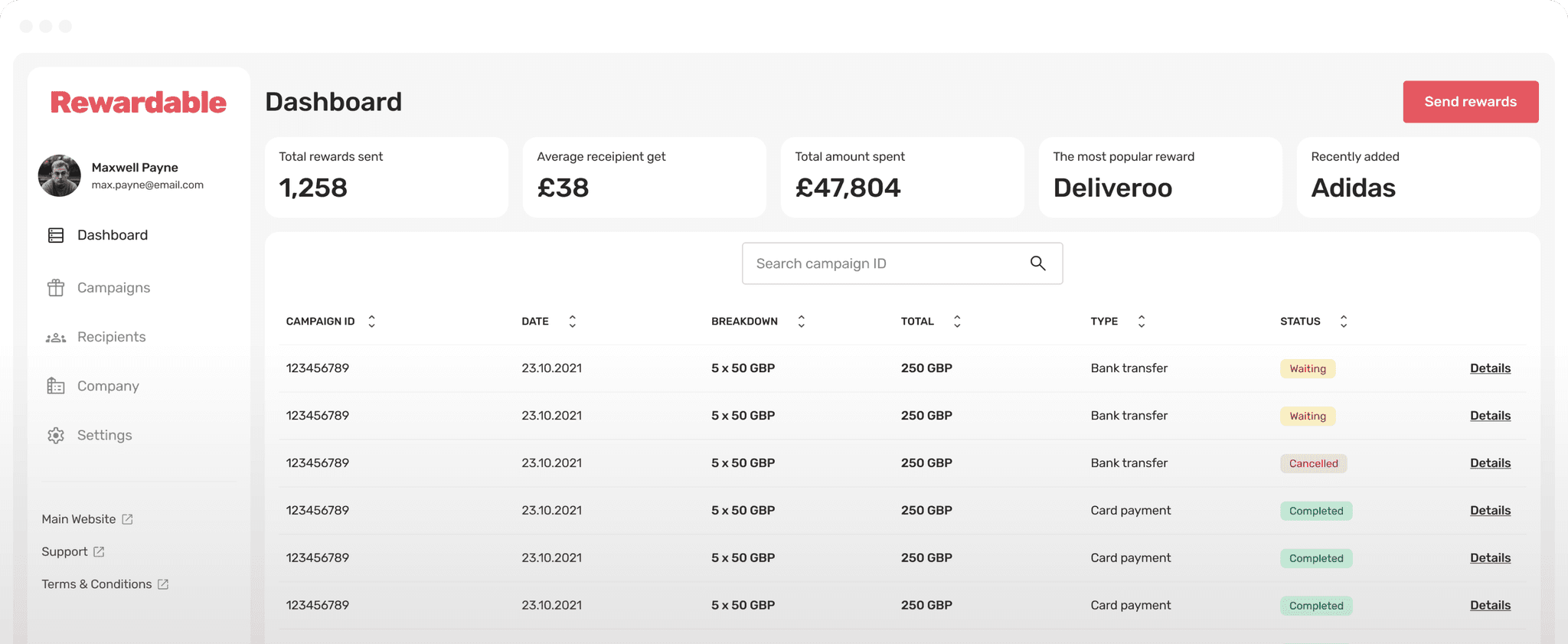
This is where Rewardable makes the process simple and effective. Rather than managing complicated payment systems or dealing with the logistics of physical rewards, you can provide participants with digital gift cards that offer genuine value and choice. Whether your participants prefer Amazon, major retailers, dining experiences, or entertainment options, Rewardable's extensive selection ensures everyone receives something they'll actually use and appreciate.
Digital gift cards are delivered instantly, making them perfect for thanking participants immediately after your session while their contribution is fresh in everyone's minds. This immediate gratification reinforces positive associations with your research process and increases the likelihood that participants will engage with your business again in the future.
By partnering with Rewardable for your focus group incentives, you're not just compensating participants, you're demonstrating that you value their input and creating positive experiences that reflect well on your brand. It's a small investment that pays dividends in the quality of insights you receive and the relationships you build with your most important stakeholders: your customers.
Ready to harness the power of focus groups for your business? Start planning your research today, and let Rewardable handle the rewards that show your participants just how much their insights matter.