The History of the Humble Gift Card: Invented by Blockbuster in 1994
17 Dec 2025
•
Gift cards
The History of the Humble Gift Card: Invented by Blockbuster in 1994
It's hard to imagine a world without gift cards. They've become such a staple of modern gift-giving that you'll find them prominently displayed at supermarket checkouts, petrol stations, and virtually every high street retailer. But this ubiquitous piece of plastic is a relatively recent invention, with a fascinating origin story that begins in the video rental era.
The Birth of the Modern Gift Card
While Neiman Marcus was the first to sell gift cards in 1994, they didn't quite grasp the revolutionary potential of what they'd created. The luxury retailer kept them tucked away behind counters, selling them only as novelty items to customers who specifically requested them. It was hardly the fanfare a game-changing innovation deserved.
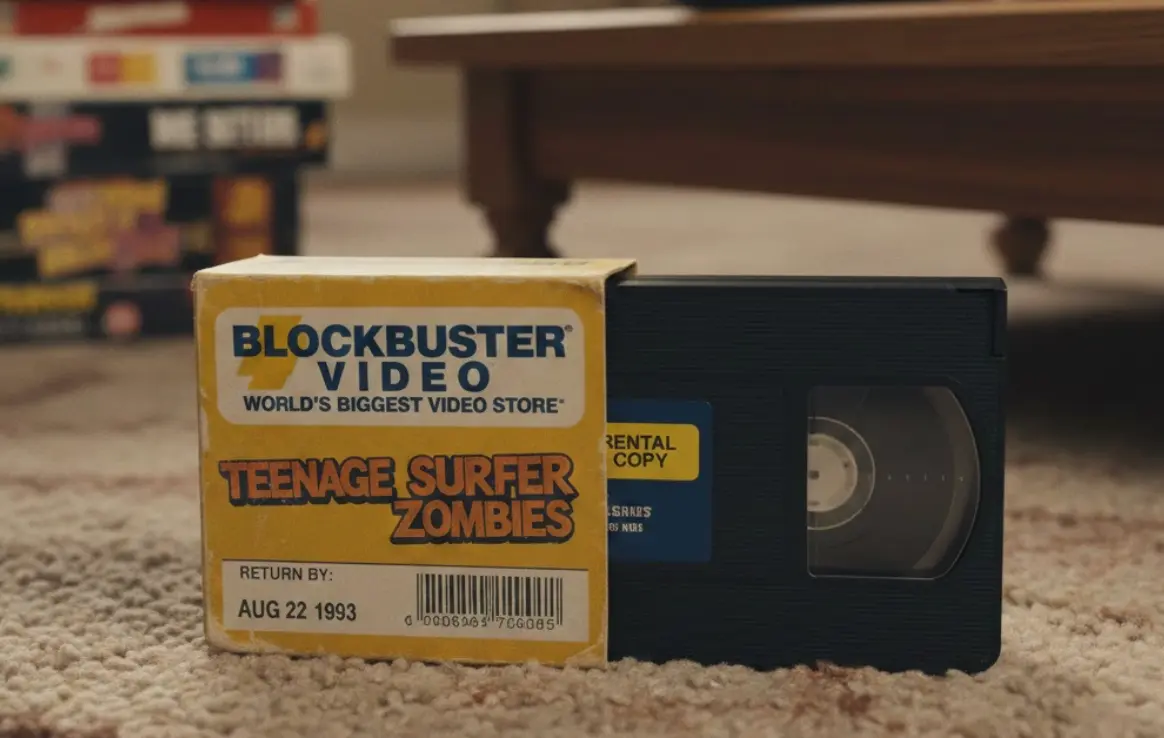
The real gift card revolution began with an unlikely hero: Blockbuster Video. Remember those blue and gold stores that dominated Friday nights before Netflix came along? In 1995, Blockbuster became the first retailer to actually display gift cards in its stores, turning them from a hidden curiosity into a mainstream shopping phenomenon.
A Solution Born from Necessity
Blockbuster's motivation wasn't purely about innovation—it was about survival. The chain was facing a problem with people counterfeiting the paper gift certificates Blockbuster issued. With colour copiers and printers becoming increasingly accessible and affordable in the mid-1990s, fraudsters could easily duplicate the paper certificates, costing the company significant revenue.
The plastic gift card was the elegant solution. Using existing payment infrastructure developed by Nabanco, a Florida-based company, Blockbuster created cards with magnetic strips that could be processed like credit cards, making them virtually impossible to counterfeit and far easier to track and redeem.
The Gift Card Goes Mainstream
Once Blockbuster proved the concept, other retailers quickly jumped aboard. In 2001, Starbucks became the next big chain to sell gift cards, and they were the first to introduce gift cards that worked more than once—a reloadable format that would become standard across the industry. Today, Starbucks gift cards account for a remarkable portion of their transactions, with customers happily topping up their cards for their daily caffeine fix.
From there, the gift card boom was unstoppable. What began as a fraud-prevention measure at a video rental shop became a multi-billion-pound industry. Mobil introduced petrol gift cards, Kmart launched its Cash Card, and soon every major retailer wanted in on the action.
Beyond Personal Gifting: The Business Revolution
What Blockbuster couldn't have anticipated was how gift cards would transform the business world. Today, gift cards have evolved far beyond birthday presents and Christmas stockings—they've become powerful tools in the corporate arsenal.
B2B Applications and Incentive Programmes
Businesses discovered that gift cards offer an incredibly versatile solution for customer acquisition, retention, and loyalty programmes. Companies now use gift cards as incentives in promotional campaigns, rewards for customer referrals, and as part of market research initiatives. The beauty of gift cards in B2B contexts is their flexibility—they can be issued in any denomination, tracked digitally, and easily integrated into existing customer relationship management systems.
Banks offer gift cards as sign-up bonuses for new accounts. Telecoms companies use them to sweeten contract deals. Insurance firms reward long-term customers with them. The applications are virtually endless, and the administrative simplicity compared to traditional promotions makes them an obvious choice for marketing teams.
Employee Recognition and Rewards
Perhaps one of the most significant evolutions has been in employee recognition programmes. Forward-thinking companies realised that gift cards solve one of HR's oldest challenges: how to reward and motivate staff in ways that feel personal and meaningful, without the logistical nightmare of sourcing individual gifts.
Modern employee reward schemes now routinely incorporate gift cards as part of their offering. Whether it's recognising exceptional performance, celebrating work anniversaries, acknowledging employee referrals, or simply saying thank you for going above and beyond, gift cards provide employees with the freedom to choose their own reward. An employee who loves dining out might opt for a restaurant voucher, whilst another might prefer Amazon or a high street retailer—everyone gets something they'll genuinely appreciate.
Some companies have taken this further, offering gift cards as part of wellness programmes, allowing employees to put them towards gym memberships, healthy meal services, or recreational activities. Others use them in lieu of traditional Christmas bonuses, giving staff the flexibility to spend where they need it most during the expensive festive season.
The tax advantages haven't gone unnoticed either. In many jurisdictions, gift cards under certain thresholds can be given as non-cash awards without creating complicated tax implications for either employer or employee, making them an efficient way to boost morale without drowning in paperwork.
The Digital Age and Modern Versatility
The gift card has continued to evolve beyond its plastic origins. In 1999, digital gift cards arrived when Neiman Marcus—the original inventor—introduced e-gift cards that could be emailed to recipients. This innovation made last-minute gifting possible and eliminated the need for physical delivery.
Today's gift cards come in two main varieties: closed-loop cards that work only at specific retailers, and open-loop cards issued by Visa, Mastercard, or American Express that can be spent anywhere those cards are accepted. Digital wallets like Apple Pay and Google Pay now store gift cards alongside payment cards, and blockchain technology is even being explored for enhanced security.
The corporate sector has embraced digital gift cards with particular enthusiasm. Businesses can now send thousands of e-gift cards instantly, track redemption rates in real-time, and even set expiry dates and usage restrictions to suit their specific needs. The data insights alone are invaluable—companies can analyse which rewards are most popular, measure the success of incentive campaigns, and refine their strategies accordingly.
A Versatile Solution for Every Occasion
The true genius of the gift card lies in its adaptability. It works equally well whether you're:
A parent buying a birthday present for a teenager whose tastes change weekly
An employer recognising a team member's outstanding contribution
A business running a customer loyalty scheme with thousands of participants
A recruiter offering sign-on bonuses to attract top talent
Someone who's simply forgotten their best friend's birthday and needs something thoughtful, fast
This versatility has cemented the gift card's position in modern commerce. In the UK alone, the gift card market is worth billions annually, with growth showing no signs of slowing. From consumer to corporate, personal to professional, the applications continue to expand.
From Video Rentals to Universal Currency
It's rather poetic that Blockbuster—a company that famously failed to adapt to the digital age—inadvertently created one of retail's most enduring and adaptable innovations. While the last Blockbuster store now exists primarily as a nostalgic AirBNB in Oregon, the gift card lives on, having adapted and thrived in ways its creator never could.
What started as a simple fix for paper certificate fraud has fundamentally changed not just how we approach gift-giving, but how businesses engage with customers and employees alike. Love them or loathe them, gift cards offer convenience, flexibility, and—let's be honest—a diplomatic solution whether you're navigating office Secret Santa, rewarding a high-performing sales team, or simply acknowledging someone's contribution without the awkwardness of getting it wrong.
The humble gift card has become something of a universal currency, acceptable in virtually any context, appreciated in both personal and professional spheres, and versatile enough to suit almost any budget or purpose.
So the next time you pick up a gift card from the supermarket checkout or receive one as recognition at work, spare a thought for those Friday nights at Blockbuster. Who knew that renting "Jurassic Park" on VHS would lead to a revolution that would transform not just retail, but the entire way we think about rewards, recognition, and showing appreciation?