While that headline might seem provocative and yes, it's deliberately clickbait, there's an uncomfortable truth buried within it that every business leader needs to understand. Companies with exceptional workplace cultures often find they can offer competitive, though not necessarily market-leading, salaries while still attracting and retaining top talent. This isn't about exploitation; it's about recognising what truly drives employee satisfaction and loyalty.
The conventional wisdom suggests that employees leave jobs primarily for better pay. However, research consistently shows that people don't quit jobs, they quit managers, toxic cultures, and environments where they feel undervalued. A study by Gallup found that 75% of people who voluntarily leave their jobs do so because of their boss, not the position itself. When employees feel genuinely appreciated, have opportunities for growth, and work in an environment that aligns with their values, salary becomes just one factor among many in their decision to stay or go.
The True Cost of Employee Turnover
Losing an employee costs far more than their annual salary. The Society for Human Resource Management estimates that replacing an employee costs between 50-200% of their annual compensation, depending on their role and seniority. But the financial impact extends beyond recruitment and training costs. When someone leaves, you lose:
Institutional knowledge and relationships built over months or years
Productivity during the transition period as new hires get up to speed
Team morale and momentum as remaining employees absorb extra workload
Customer relationships and trust that took time to establish
The invisible network of connections and understanding that experienced employees possess
A departing senior developer doesn't just take their coding skills—they take their knowledge of why certain architectural decisions were made, their relationships with key clients, and their understanding of the company's technical debt. This institutional memory is often irreplaceable and can take new employees months or even years to rebuild.
What Employees Really Want
Great workplace culture addresses the fundamental human needs that salary alone cannot satisfy. Employees consistently rank these factors as crucial to job satisfaction:
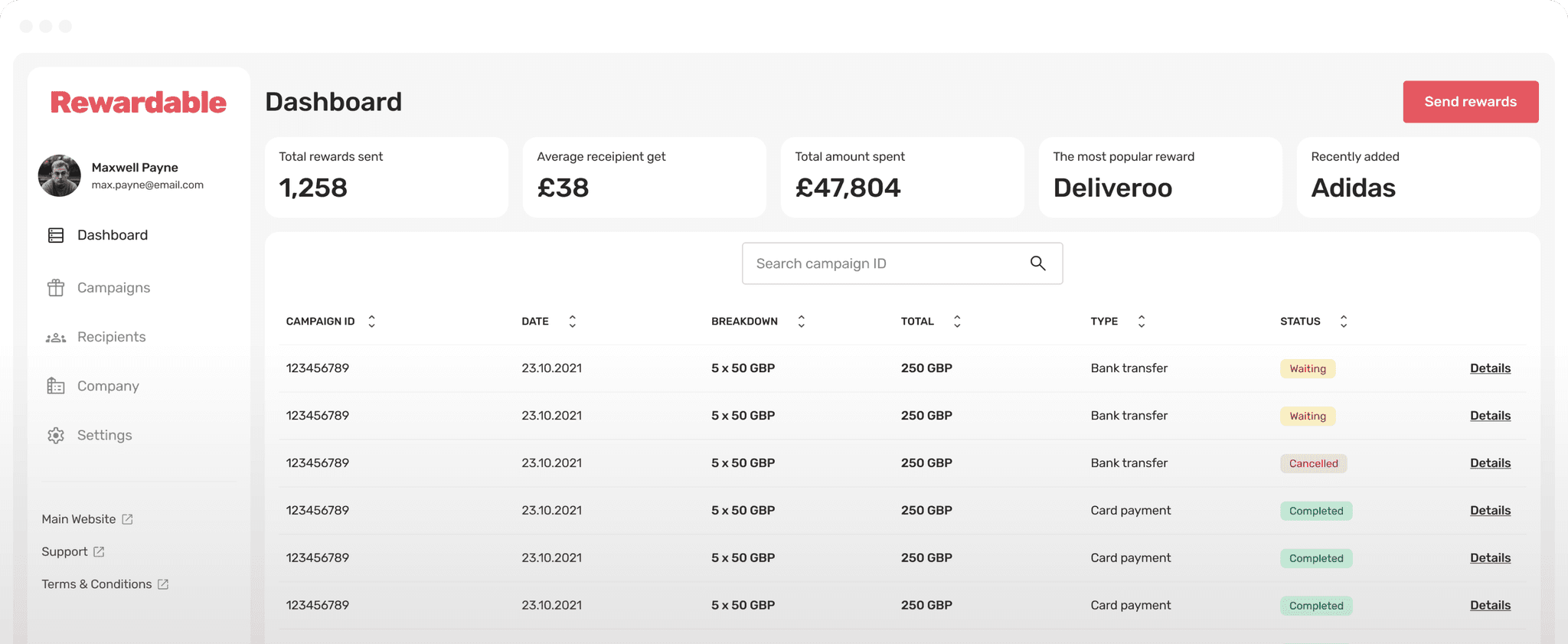
Recognition and Appreciation: Regular acknowledgment of contributions, both big and small, creates an environment where people feel valued. This doesn't require expensive rewards programs, but little, genuine thank yous, public recognition in team meetings, a note from leadership carries more weight than a generic bonus, Rewardable makes it easier to include a thoughtful bonus too.
Growth and Development Opportunities: Employees want to feel they're progressing in their careers. Companies that invest in training, mentorship programs, and clear advancement paths create loyalty that transcends monetary compensation. The famous quote "What if we train them and they leave?" should be countered with "What if we don't train them and they stay?" A workforce that feels stagnant is a workforce planning their exit.
Autonomy and Trust: Micromanagement drives talented people away faster than low pay. Employees who feel trusted to do their jobs, make decisions, and have flexibility in how they work are significantly more engaged and productive.
Purpose and Meaning: People want to feel their work matters. Companies that clearly communicate their mission and show employees how their roles contribute to larger goals create emotional investment that salary increases alone cannot match.
Work-Life Balance: Flexibility, reasonable hours, and respect for personal time have become non-negotiable for many workers, especially post-pandemic. Companies offering genuine work-life balance often find they can attract talent from higher-paying competitors who demand excessive hours.
The Culture Investment Strategy
Smart companies understand that investing in culture is a strategic business decision, not a feel-good initiative. They create comprehensive approaches that might include:
Regular one-on-one meetings between managers and team members focused on career development
Transparent communication about company goals, challenges, and successes
Flexible working arrangements that accommodate different life stages and preferences
Professional development budgets and time for learning new skills
Celebration of achievements and milestones, both professional and personal
Clear feedback mechanisms and genuine responses to employee concerns
These investments often cost less than constantly replacing dissatisfied employees, yet they create a competitive advantage in talent retention that purely salary-focused competitors struggle to match.
The Limits of the Culture Strategy
It's crucial to understand that culture cannot completely substitute for fair compensation. Employees have financial obligations, and culture doesn't pay mortgages or fund children's education. The most successful companies use strong culture to complement competitive, though not necessarily premium, compensation packages.
Additionally, culture must be authentic. Employees quickly see through superficial perks like ping pong tables and free snacks if the underlying management practices remain toxic. True cultural change requires commitment from leadership and consistent implementation across all levels of the organisation.
Building Retention Through Recognition
The most effective retention strategies often cost very little but require consistent effort. Simple practices like regular feedback sessions, public recognition of achievements, and involving employees in decision-making processes can dramatically improve job satisfaction.
Consider implementing regular "win" celebrations where team members share recent accomplishments, creating mentorship programs that pair junior and senior employees, or establishing employee resource groups that give staff voice in company policies. These initiatives show investment in employee growth and satisfaction without requiring significant financial outlay.
The Long-Term Advantage
Companies that master the balance between competitive compensation and exceptional culture create a sustainable competitive advantage. They attract candidates who are motivated by more than just salary, they retain talent longer, and they build reputations that make future recruiting easier and less expensive.
These organisations often find that their lower turnover rates allow them to invest more in each employee's development, creating a positive cycle where better training and opportunities lead to higher satisfaction, which leads to better retention, which allows for more investment in the remaining team.
The provocative headline that great culture means you can "under pay" employees isn't about exploitation, it's about recognising that total employee value extends far beyond the paycheck. When companies create environments where people feel valued, challenged, and supported, they discover that competitive salaries combined with exceptional culture often outweigh higher salaries in toxic environments.
The smartest companies don't use culture as an excuse to underpay; they use it as a tool to create workplaces where talented people choose to build their careers, creating mutual benefit for both employees and employers in the process.