January can be a challenging month for employees. The festive excitement has faded, the weather is often dreary, and financial pressures from holiday spending begin to bite. For many workers, the return to routine after the break feels particularly jarring. As an employer, recognising and addressing the January blues isn't just about kindness, it's smart business. Engaged, supported employees are more productive, creative, and loyal.
Whether your team works remotely, in the office, or in a hybrid arrangement, here's how you can help them navigate this difficult month and set a positive tone for the year ahead.
Understanding the January Blues
The January blues are more than just a passing mood. Shorter days mean less natural light, which can affect serotonin levels and disrupt circadian rhythms. The contrast between holiday relaxation and work demands creates stress. Financial worries peak as credit card bills arrive, and many people feel pressure around New Year's resolutions they're already struggling to maintain.
For remote workers, the isolation can feel more acute in January when social connections are already strained. For office-based employees, the commute in dark, cold weather can feel especially draining. Understanding these dynamics helps you respond with targeted support rather than generic wellness initiatives.
Strategies for Supporting Office-Based Teams
Improve the Physical Environment
Light matters enormously in January. If possible, ensure workspaces have access to natural light. Consider investing in daylight lamps or full-spectrum lighting, particularly in windowless areas or meeting rooms. Small changes like bringing in plants, adding colour through artwork, or creating comfortable breakout spaces can make the office feel more welcoming.
Temperature control is another often-overlooked factor. A cold office exacerbates the winter blues. Ensure heating systems are working properly and consider providing blankets or allowing flexible dress codes.
Create Moments of Connection
January is an ideal time for team-building activities that don't revolve around alcohol or spending money. Organise a team lunch (employer-paid), host a midweek breakfast, or arrange a creative workshop. The goal is to rebuild social connections after the break and remind people why they enjoy working with their colleagues.
Consider "walking meetings" for one-to-ones when weather permits. The combination of movement, fresh air, and informal conversation can be energising and may lead to more open discussions about how team members are really feeling.
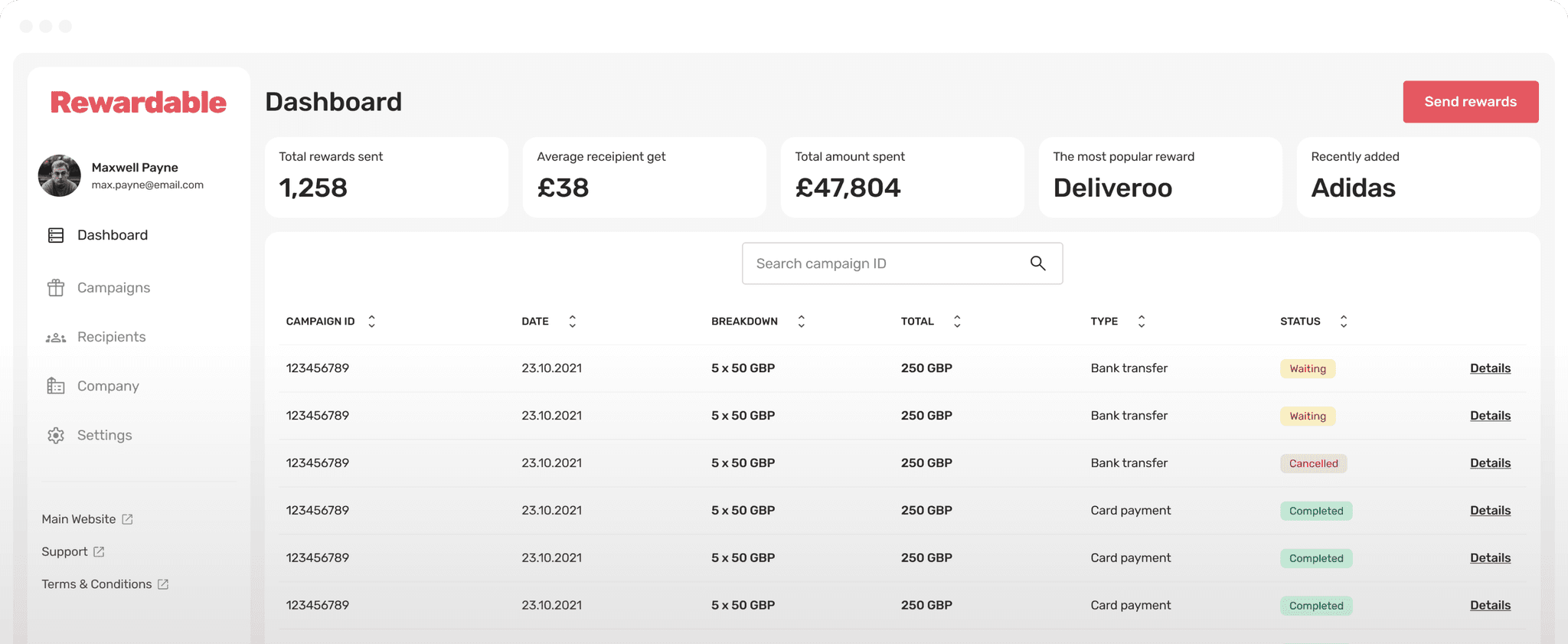
Maybe encouraging people to go out for an external coffee isn’t a bad shout - Rewardable has a range of coffee cards available
Offer Flexible Start Times
If your business allows it, offering flexible start times in January can make a significant difference. Arriving and leaving in daylight, even occasionally, can improve mood and energy levels. This flexibility also demonstrates trust and helps employees manage personal commitments that may have accumulated over the holiday period.
Strategies for Supporting Remote Teams
Combat Isolation
Remote workers may be dealing with post-holiday loneliness, particularly if they live alone or spent the break away from their usual location. Schedule regular video check-ins—not just about work, but to genuinely ask how people are doing. Consider implementing virtual coffee breaks or informal chat sessions where work talk is off-limits.
Create opportunities for casual interaction. This might be a team quiz, a book club, a virtual lunch where everyone orders takeaway, or even online gaming sessions. The key is recreating the spontaneous social moments that happen naturally in offices.
You can use Rewardable for digital prizes, encouraging involvement
Respect Boundaries and Working Hours
January is when many remote workers reassess their work-life balance. Be scrupulous about respecting working hours and avoiding the expectation of instant responses to messages. Encourage your team to properly disconnect at the end of their working day.
Consider implementing "no meeting" afternoons once or twice a week, giving people uninterrupted time to focus on deep work or to step away from screens entirely.
Support Home Working Environments
Remember that remote workers are contending with their own heating bills and workspace challenges. If you haven't recently reviewed your remote working allowances or equipment provision, January is a good time to do so. Even small gestures—like a voucher for a local café where they can work occasionally, or a contribution toward co-working space membership—can make a difference.
Universal Strategies for All Teams
Acknowledge the Difficulty
Don't pretend January isn't hard. A simple acknowledgment from leadership that this is a tough month and that support is available can be powerful. It gives employees permission to not be at peak performance and reduces the guilt many feel about struggling.
Financial Wellbeing Support
Money worries peak in January. Offer access to financial wellbeing resources, whether that's budgeting tools, debt advice, or financial planning webinars. If your budget allows, consider offering an interest-free advance on salary or a small January bonus to help with post-holiday expenses.
Some companies arrange discounts with local businesses or create a confidential hardship fund for employees facing genuine financial crises. Even sharing information about free local resources demonstrates that you recognise the challenge.
Mental Health Resources
Ensure employees know what mental health support is available, whether that's through an Employee Assistance Programme, access to counselling, or mental health first aiders within the organisation. January is when many people will benefit from these services but may not know they exist.
Consider bringing in a speaker or running a workshop on managing seasonal mood changes, stress reduction, or building resilience. Make sure this is positioned positively rather than as remedial support.
Reframe New Year Pressures
Many employees feel pressure around New Year's resolutions and may already feel they're failing. Help reframe this by encouraging gradual goal-setting rather than dramatic changes. If you have development conversations in January, make them supportive and collaborative rather than putting additional pressure on people.
Consider introducing team goals or wellbeing challenges that people can participate in without commitment—like a steps challenge, trying new recipes, or reading recommendations. Make participation easy and judgment-free.
You can use Rewardables as prize for achieving a goal
Celebrate Small Wins
January can feel like a slog, so create opportunities to celebrate achievements, however small. This might be recognising someone's contribution in a team meeting, sending a personal thank-you message, or spotting good work and sharing it with the wider team. Positive reinforcement costs nothing but can significantly lift morale.
Plan Something to Look Forward To
One reason January feels so difficult is the sense of an endless stretch ahead. Create anticipation by planning a team event for February or March—perhaps a team day out, a celebration lunch, or even a professional development opportunity people can look forward to. Having something positive on the horizon makes the present more bearable.
Lead by Example
Your own behaviour sets the tone. If you're visibly struggling or working around the clock, your team will feel pressure to do the same. Conversely, if you acknowledge when you're having a difficult day, take breaks, and maintain boundaries, you give implicit permission for others to do the same.
Talk openly (where appropriate) about your own strategies for managing the January blues, whether that's exercise, time with family, a hobby, or simply being kind to yourself when motivation is low.
The Long-Term Benefits
Supporting your team through the January blues isn't just about getting through a difficult month. It builds psychological safety, demonstrating that your organisation values employee wellbeing beyond productivity. This creates loyalty, reduces turnover, and establishes a culture where people feel comfortable being honest about their struggles.
Employees who feel supported during difficult times become advocates for your organisation. They're more likely to go the extra mile when you need it because they know the support is reciprocal.
Practical Implementation
Don't try to implement everything at once. Choose two or three strategies that fit your organisation's culture and resources, and do them well. Survey your team about what would be most helpful—their input will make initiatives more effective and demonstrates that you're listening.
Most importantly, remember that authenticity matters more than perfection. A genuine, modest effort to support your team will be appreciated far more than an elaborate wellness programme that feels disconnected from reality.
January doesn't have to be a month to simply endure. With thoughtful support and genuine care, you can help your team, whether remote, office-based, or hybrid, navigate the challenges and emerge into spring with renewed energy and commitment. The investment you make in your people this month will pay dividends throughout the year ahead.